How To Spot Fake Dinosaur Fossils For Sale With a Photo Proof Guide?
Buyers already know what they want. They are not browsing for fun. They want real fossils they can own, study, display, or pass down, especially when they start searching for dinosaur fossils for sale. But not every fossil listed online is accurate. Some are artificially aged. Others come from molds and carry no trace of prehistoric time. That puts buyers at risk of paying for something that holds no scientific or collector value. When you know how to examine a fossil through photos, you can avoid these traps. This guide shows how visual proof helps you confirm authenticity.
Why Photo Proof Matters When Buying Dinosaur Fossils For Sale Online?
Photos do not hide what sellers sometimes avoid saying. A clear set of images can help you make sense of surface detail, color variation, and structural accuracy. When you cannot hold a fossil in your hand, images become your only method of inspection. A trained eye can read these images and notice the warning signs. Buyers who want genuine fossils must know how to use photos as verification tools. When photos are poor, vague, or too few, the listing becomes untrustworthy.
Check the Texture for Natural Surface Patterns
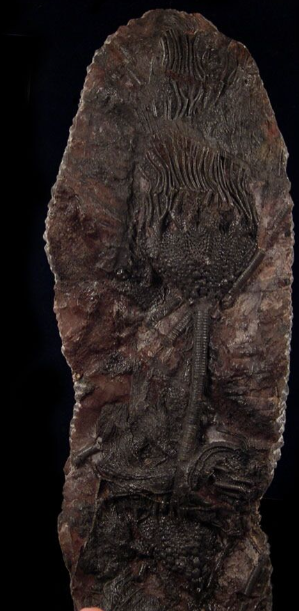
Authentic fossils always show signs of age. Natural wear, soil impressions, and mineral patterns form over time. These leave visible marks that no casting process can replicate perfectly. When you look at a photo, check for irregular textures, shallow pits, or rough grain that feels random. Smooth or glossy finishes often point to artificial materials. Repetition in surface patterns, especially in multiple listings, suggests mass production. A real fossil carries scars and stories. A fake often carries polish and symmetry.
Read the Color as a Geological Record
Color tells the story of where the fossil rested. Actual fossils change color due to the mineral content of the surrounding rock. One end may appear darker if it stayed deeper. You should see this kind of natural variation in authentic items. Fake fossils tend to feature even, painted tones that ignore how soil interacts with bone over time. Look at the edges and cracks in the photo. If the color appears layered or too perfect, the fossil may be stained or coated. Buyers can avoid these by asking for close-ups that show raw detail.
Recognize the Signs of Undisclosed Alterations
Restoration plays a role in fossil preservation. But any added material should be disclosed by the seller, especially when you are considering dinosaur fossils for sale from an online listing. The genuine concern comes when sellers fail to mention bonding, reshaping, or enhancement. These changes often leave behind visible joins or material shifts. In clear photos, you can often spot:
Visible lines that do not follow the natural shape.
Color changes at the point of attachment.
Texture mismatches between connected sections.
When a fossil appears too complete or too clean, you should always look closer. Ask for images from multiple angles to rule out composite work.
Shape and Structure Must Match the Species
Each fossil has a specific form based on the dinosaur it came from. Teeth vary in length, taper, and thickness across species. Bones and claws show similar distinctions. Some sellers offer fossils with incorrect labels, hoping buyers won't notice. That is where a visual check matters. A tooth marked as belonging to a carnivore must show the correct shape, serration, and root structure. If a fossil looks off when compared to verified examples, you should pause before buying.
Watch for Consistency Across Seller Listings?
When a seller offers multiple specimens, you can spot patterns in authenticity. Fossils of the same type should follow a natural range of variation. If the seller lists items with sharp differences in texture, size, or color, those may not come from the same source. Compare details across listings. Real fossils show consistency in tone and structure when taken from the same formation. Significant quality gaps often signal that not all items are authentic or sourced equally. Take your time looking at these differences, and trust what the photos show.
Use Image Requests to Confirm Trust
A reliable seller will never hesitate to provide extra photos. If you ask for more precise angles, close-ups, or views of the base, they should respond with useful images. Poor quality or refusal to provide details should make you walk away. The way a seller responds says a lot about the authenticity of their stock. Use this moment to observe:
The surface details that support fossilization.
The presence of unique mineral markings.
The edges and underside, where tool marks may appear.
A photo cannot lie. It becomes your proof, your inspection, and your reason to trust the piece.
Final Words
You do not need a degree to spot fake fossils. You need patience, an eye for detail, and a strong sense of what belongs in a genuine specimen. Let photos guide your judgment. Ask for more when in doubt. Compare textures, colors, and shapes to known references. Walk away when something feels wrong. Buyers searching for dinosaur fossils for sale deserve the real thing, not a replica dressed to deceive. If you want to own part of prehistory, let the fossil speak through its markings, not just its label. The same rules apply when looking for real dinosaur bones for sale. That’s how collectors and enthusiasts build a collection that holds real meaning and value.
Comments
Post a Comment